Cabinet Refinishing

Cabinet Refinishing and Hardware Replacement Guide

Cabinet refinish

Cabinet Refinishing Modesto offers a budget-friendly solution for homeowners seeking a fresh and vibrant transformation. It’s also a sustainable choice that aligns with responsible environmental practices.

Refacing is a quicker process than replacement, and it typically involves less disruption to your daily routine. It delivers a modern look and a durable finish that resists chips, scratches, and moisture damage.

Preparation

Cabinet refinishing is a popular, cost-effective, and transformative renovation option for homeowners looking to upgrade their kitchen. However, it’s important to understand that proper preparation is key to a successful transformation that will last for years. By following the right steps, including cleaning and removing hardware, you can achieve a professional-quality finish that will look great for years to come.

Before beginning any refinishing or painting project, it’s important to prepare the cabinets to be refinished by thoroughly cleaning and sanding the surfaces. This will remove any dirt, grime, or grease buildup from the surface and ensure that the new finish adheres properly. It’s also essential to use a high-quality primer before applying the final coats of paint. This will create a smooth base, improve adhesion, and block stains caused by wood tannins or old finishes. Be sure to apply the primer in thin, even coats and allow it to dry fully before moving on to the final coats of paint.

Once the cabinets are prepared, they’ll be sanded again to create a smooth, even surface before staining or painting. This will give the cabinets a beautiful, modern look and enhance durability. It’s also a good idea to seal the finished products, as this will protect against future wear and tear.

To keep your refinished cabinets looking their best, it’s important to clean them regularly with mild soap and water. You should also avoid placing hot or wet items directly on the surfaces to prevent warping or damage. If you notice any scratches or chips, touch-up kits are available to repair them quickly.

Homeowners looking to breathe new life into their kitchen spaces often face the challenge of balancing their desire for a modern design with a limited budget. While refacing offers a full style overhaul, it’s typically more expensive than refinishing. Fortunately, cabinet refinishing provides a cost-effective alternative and can be completed in less time. While refinishing doesn’t offer the style flexibility of refacing, it can still provide a significant aesthetic update and increase a home’s resale value. It’s also environmentally friendly compared to replacement.

Cleaning

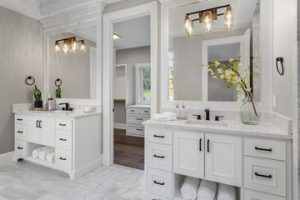
Cabinet refinishing is a cost-effective and efficient way to refresh your kitchen. It involves restoring the existing cabinets by stripping them of their old finish, sanding their surfaces and applying a new stain or paint. This process is typically completed within a few days, and it is significantly less disruptive than a full kitchen renovation.

Before refinishing, you must thoroughly clean your cabinets to remove any grease or grime buildup. Use a gentle degreaser cleaner and a sponge or cloth to thoroughly wipe the surfaces of your cabinets, paying special attention to areas near handles and knobs where grease residue often accumulates. After cleaning, allow your cabinets to dry completely before moving on. It’s also a good idea to remove all hardware from your cabinets before you begin, and to keep it in a safe place so you can reinstall it later.

If you’re considering cabinet refinishing, it’s important to choose an experienced professional to ensure the results are satisfactory and long-lasting. Furniture Medic technicians have the knowledge and expertise to tackle even the most stubborn stains, scratches and gouges. They’ll also clean the cabinet interiors and exteriors to remove dirt, debris and other contaminants that can cause discoloration or damage to your new finish.

In addition to its cost-effectiveness and efficiency, refinishing is an environmentally friendly option as well. It eliminates the need to purchase and install new cabinets, which contributes to waste generation and has a negative impact on the environment. Refinishing also reduces energy consumption and resource consumption by reusing the existing materials.

Whether you’re looking to update your kitchen on a budget or simply want to add a touch of style, cabinet refinishing is the perfect solution. Contact the expert team at Furniture Medic to learn more about our refinishing and hardware replacement services, or schedule an appointment online.

Cabinet replacement can be expensive and complicated, especially if you’re replacing older cabinets with more modern designs. However, with the right planning and professional help, you can achieve a stunning transformation at a fraction of the cost. Our experienced technicians will evaluate your current cabinets, discuss design options and take precise measurements to ensure the final product is a perfect fit. We will also set up containment and cover countertops, appliances and floors to minimize mess and disruption during the project.

Hardware Removal

Cabinet refinishing is a great option if you’re looking for an inexpensive refresh that doesn’t require the hassle of tearing out existing cabinets and installing new ones. It allows you to change the color of your cabinet doors and drawer fronts while keeping the original structure intact. It’s an especially good choice if you have antique or vintage cabinetry that you want to preserve. You can also use it as a temporary solution if you plan on renovating the rest of your kitchen in the future.

Refinishing starts with stripping the old finish and then sanding the surface to remove any imperfections or dents. After the surface is smooth, you can apply a new stain or paint to achieve your desired results. It’s important to clean the surfaces thoroughly before starting a refinishing project, using a degreaser to remove any grease or grime that may have built up over time.

Before you start refinishing your cabinetry, it’s important to separate all of the hardware from your cabinets and store them somewhere safe. This will help prevent any accidental paint or stain on your hardware that would make reinstalling it difficult or impossible. You can place them in a ziplock bag and label them so you know which cabinet they belong to when the time comes for reinstallation.

While refinishing is typically faster and less expensive than full replacement, it’s important to consider the long-term impact of this type of kitchen renovation on your home’s value. It’s a good idea to talk to a real estate agent to get their opinion on the impact of this type of kitchen remodeling before making any decisions.

Refacing is a comprehensive process that involves replacing the cabinet doors and drawer fronts as well as the cabinet boxes. It can create a modern look and provide a more durable finish that is resistant to stains and scratches. Refacing can be completed in a shorter period of time than refinishing and typically causes less disruption to daily routines because the cabinets stay in place during the process. You’ll still need to clean, but fewer dust and sanding particles will be created, so your home won’t be as messy or chaotic.

Inspection

Cabinet refinishing is an excellent solution for homeowners looking to breathe new life into their kitchen. It’s a cost-effective alternative to replacing cabinets and allows for customization of the color or stain to suit your home’s aesthetic. It also preserves the original structure of your cabinets, making it a green option.

The first step is preparing the cabinets for refinishing by cleaning them thoroughly, including removing the hardware and sanding surfaces to ensure a smooth surface. Any dents or scratches are repaired. Then, the existing finish is stripped and sanded again to prepare for a new coat of paint or stain. A new sealant is then applied to protect your cabinets and prevent future damage.

After the refinishing process has been completed, you’ll be asked to do a walk-through with your installer or design/salesperson. This is a good opportunity to discuss the project’s completion, to make notes about any issues that need to be addressed, and to verify that all of the cabinet hardware has been installed properly.

In addition to ensuring that all of the hardware has been installed correctly, this inspection is also used to ensure that all of the cabinets are of the highest quality and that they meet your expectations regarding style and functionality. Each cabinet will undergo a visual inspection and may be subject to additional tests such as weight testing and structural integrity testing. Cabinets that do not pass these tests will be redirected to the appropriate queue to save production time and minimize waste.

The cabinet refacing process is the best option for homeowners that want a dramatic transformation of their kitchen or bathroom without breaking the bank. By replacing the doors and drawer fronts while keeping the cabinet boxes intact, this renovation can offer a modern look and improved durability that stands up to years of use. New cabinet doors and drawer fronts can be made from a variety of materials, such as wood veneer, laminate, or Rigid ThermoFoil (RTF). Regardless of the material, new knobs and handles are then added to complete the upgrade. A cabinet refacing installation will be completed in less time than a replacement or refinishing job and will result in less mess, dust, and disruption to your home’s interior.

Antiques

Using Antiques to Enhance Your Living Space

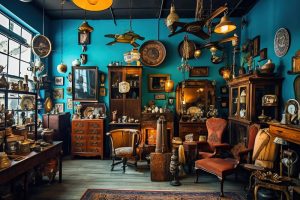
Antiquariato Roma evoke a sense of history and craftsmanship. Incorporating antique items into your home or business offers an opportunity to connect with the past and create a more sustainable, holistic living environment.

Antiques

A collection can be developed on the basis of the ware (porcelain, earthenware, stoneware), ornamentation and form, or the maker and period. A craftsman’s mark or signature on a piece can help to authenticate it.

Authenticity is a key factor in the value of an antique. A well-documented history can boost a piece’s monetary worth, turning it from a mere object into a treasured artifact with cultural heritage. Authenticity also allows collectors to build a collection with confidence, knowing that they’re investing in pieces that are true to their time period and style.

While the old adage “caveat emptor” (buyer beware) is always prudent, there are a few tricks of the trade that can help separate genuine antiques from reproductions. For example, examining the craftsmanship of an item is important, especially for furniture. Look for hints of handiwork, such as inconsistencies or imperfection, which indicate that the piece was made by a human rather than machine. Also, a close examination of the patina (a natural surface layer that develops on metal and wood over time) is an essential clue to its age.

Other authentication clues include maker’s marks and hallmarks, which can provide vital information about the piece’s origins and production. Look for marks that match the period and material of the piece, and pay special attention to how they’re engraved. Faux makers may even go so far as to copy these markings in a bid to fool buyers, so you’ll need to be able to identify the telltale signs of an authentic mark.

Historical records, archival research, and reputable experts can help verify the authenticity of an antique. It can be tricky to find all the information you need, however. Forged documents, erroneous provenance, and lack of thorough documentation can all threaten the integrity of an antique. When in doubt, always consult with a professional historian or appraiser who can offer expert insight.

History

Antiques are one-of-a-kind objects that were handmade without the aid of a CNC machine. They were made by skilled artisans and traded for personal, religious, or aesthetic reasons, and may have been passed down through generations like a family heirloom. Because of this, collectors look to the history and culture of an antique when deciding to purchase it.

Many antiques are marked with a clue to their past that helps to authenticate the piece. These markings may be stamped, impressed into clay before firing, or etched on the surface of an object. Knowing what to look for and how to interpret these marks is essential for an antique lover.

Whether it’s a carpenter’s signature on a wood built-in, the manufacturer’s mark on furniture, or a cryptic symbol on a piece of metalwork, these markers are the fingerprints that help to unlock an antique’s story. They can also reveal stylistic periods, such as Arts & Crafts, Victorian, or Regency.

Before 1972, the antiques trade was mostly a regional affair. A dealer in New York might throw away items popular in Maine, and those from Pennsylvania would sit unsold at a show in Florida. But the Arab Oil Embargo sparked an interest in antiques that would last decades. Antique shows, group shops, and trade publications took off in popularity during this period.

Today, antiques are a global industry that includes auction houses, galleries, and specialist dealers. Many of these specialists define their areas of expertise by geographic region, era, or material. For example, some collectors are drawn to a particular kind of item such as snuff boxes, candlesticks, or samplers. Others are swayed by the rarity of an item, while others focus on an entire style or era of time.

Aesthetics

Antiques bring a sense of history to your living space, infusing it with timeless charm. But incorporating antique home decor can be tricky if you don’t have a clear vision of the aesthetic you want to achieve. To get started, research different historical periods and design styles to understand what eras attract you the most. This will help you create a cohesive color scheme and define your antique style.

For example, Aesthetic movement furniture often featured ebonized wood with gilt decorations like peacock feathers or flowers. This reflects the Aesthetics’ love of nature and sensuality. They also embraced symmetry and balance, which you can see in their furnishings and ornamentation.

Another popular antique style is Art Deco, which grew in popularity during the 1920s and 30s. This design era is characterized by geometric shapes and bold colors. Its inspiration comes from many different cultures, including Egyptian, Byzantine, and Islamic art. Its design features include chevron patterns, mirrors, and sunburst motifs.

Aestheticism was influenced by the Pre-Raphaelites, who believed that beauty is the most important thing in life. Their philosophy was based on the idea of “art for art’s sake.” This philosophy encouraged admiration and striving for beauty, as well as a mutual interest in combining the arts.

Antique dealers are always on the lookout for rare and unique pieces that can set a room apart. They partner with interior designers to curate spaces that combine antique and contemporary elements. This harmonious blend is a testament to the durability of antiques, as well as their ability to stand the test of time. Antiques are a unique addition to any home, and when paired with contemporary designs, they add a sense of grandeur and a narrative that’s sure to capture the imagination.

Sustainability

When it comes to home furnishing, many consumers are turning to antiques in a bid for sustainability. After all, unlike modern furniture that can require a high level of chemical finishes and varnishes, antique pieces tend to be made of natural materials such as wood and leather which are not only safer for indoor use but also don’t release harmful volatile organic compounds into the air. This can reduce the risk of headaches, nausea, and long-term respiratory problems.

Additionally, antiques are often crafted with superior craftsmanship and materials that allow them to last longer than their modern counterparts. As a result, they require fewer replacements and less frequent re-upholstery, helping to minimize the overall consumption of resources. Furthermore, when they are sourced locally, antique pieces tend to have a smaller carbon footprint than modern items that are shipped from overseas.

In addition, antiques showcase traditional craftsmanship and artisanal techniques that have been lost in today’s mass-produced world. Investing in antiques can help encourage the preservation of these skills and support sustainable practices, as well as celebrate cultural heritage.

Another key aspect of antiques is that they can be repurposed for new uses. This decreases the demand for the production of new items and can save on energy, toxic chemicals, deforestation, and mining for raw materials.

Antiques are a beautiful and eco-friendly way to furnish your home. Not only are they a great investment, but they can also inspire a shift towards mindful consumption and promote quality over quantity. As an added bonus, restoring antiques and vintage pieces can be extremely satisfying. Just a few hours of work can make a once-sunken-in-disrepair piece look almost as good as the day it was bought. With shows like “Fixer Upper” and “Amazing Spaces” fuelling the interest in repurposing and renovating old furnishings, it’s easy to see why antiques are making an impact on the modern home.

Personality

Whether you are drawn to vintage cars, antique cameras or old furniture, the antiques you love reveal a great deal about your personality. For example, if you love antique instruments, it reveals your appreciation for technology and a passion to learn about how past inventors overcame challenges to create products that are the pinnacle of their time. If you love antique techniques, it shows that you enjoy learning about historical methods and are fascinated with how these methods are used in today’s world.

A pure collector of antique dolls, for example, is likely to be driven by the desire to own and preserve items of exceptional quality. She will spend significant time researching each doll’s history to gain a deeper understanding of the doll’s origin and heritage, and she will probably find greater satisfaction in her collecting experience than someone who is not as conscientious.

In addition, a person who is a pure collector of antiques may be more inclined to make genuine connections with other enthusiasts in her field. This can be a source of personal fulfillment and enjoyment, but it can also pose a challenge in that the purity of a collector’s passion can expose her to a variety of frustrations such as dishonest sellers who try to pass off fakes as authentic antiques or ambitious competitors who steal customers from her.

Like antiques, our personalities are multifaceted and complex. Fortunately, there are many ways that we can shed light on our own personalities to better understand ourselves and those around us. By recognizing how personality traits influence our hobbies and satisfaction with them, we can more closely align our pursuits with our true personalities and lead a happier, more contented life.

Uncategorized

Creative Photography Solutions for Personal and Business Needs

Photography is more than just taking pictures—it is a powerful way to capture moments, tell stories, and convey messages. Whether it’s preserving personal memories or creating visuals that represent a business, photography plays a vital role in everyday life. With the rise of digital media and the increasing demand for high-quality visuals, creative photography solutions have become essential for both individuals and organizations.

photography

Photography for Personal Needs

For personal purposes, photography helps capture life’s most meaningful experiences. From family portraits to milestone celebrations, images become timeless keepsakes that tell the story of our lives. Creative approaches to personal photography ensure that these moments are preserved in unique and memorable ways.

Family and Portrait Photography

Traditional portraits have evolved into more artistic and personalized forms. Creative photography uses innovative lighting, natural settings, and unique compositions to create images that reflect individual personalities and family dynamics. Rather than stiff, posed photos, modern solutions capture authentic emotions and candid interactions.

Special Events and Milestones

Weddings, birthdays, graduations, and anniversaries are occasions that deserve to be remembered vividly. Creative photography solutions transform these events into visual stories by blending traditional shots with artistic perspectives. The result is a collection of images that not only document the event but also highlight the emotions and atmosphere that made it special.

Lifestyle and Artistic Photography

Many people also turn to photography as a means of self-expression. Lifestyle sessions capture everyday moments with an artistic touch, while creative concepts such as themed photo shoots or fine art photography allow individuals to showcase their imagination. These solutions go beyond documentation—they create visual art that reflects personal identity.

Photography for Business Needs

In the professional world, photography is one of the most effective tools for communication and branding. Businesses rely on compelling visuals to connect with customers, showcase products or services, and establish a strong brand identity. Creative photography solutions help organizations stand out in competitive markets.

Product Photography

High-quality product images are essential in retail, e-commerce, and advertising. Creative techniques such as using unique backgrounds, dramatic lighting, or dynamic arrangements make products look more appealing and highlight their features. These images not only attract attention but also build trust with potential buyers by providing a clear, professional presentation.

Corporate and Branding Photography

Businesses often need photography that conveys their values, professionalism, and culture. Creative branding photography captures more than just office spaces or formal portraits; it reflects the story behind the business. Lifestyle-oriented corporate images, behind-the-scenes shots, and candid team moments give clients and customers a sense of authenticity and connection.

Marketing and Advertising Campaigns

Visual content is the foundation of effective marketing. Creative photography solutions are designed to align with campaign goals, whether it’s creating bold imagery for an advertisement, eye-catching social media content, or striking visuals for print materials. By blending creativity with strategic messaging, these photos engage audiences and leave lasting impressions.

Real Estate and Architecture Photography

For industries like real estate, construction, or interior design, high-quality photography is crucial. Creative photography solutions highlight the best features of spaces through angles, lighting, and composition. By making properties and designs visually appealing, these images influence decisions and attract clients or buyers.

The Importance of Creativity in Photography

While technical skills are important in photography, creativity is what makes images truly stand out. A creative approach allows photographers to transform ordinary scenes into extraordinary visuals. Whether it’s experimenting with different perspectives, playing with natural light, or using post-production techniques, creativity ensures that photos are engaging, unique, and impactful.

For personal photography, creativity adds emotional depth, turning simple portraits into cherished works of art. For businesses, it enhances brand identity and creates content that resonates with target audiences. In both cases, creative photography solutions elevate the value of images beyond just documentation.

Benefits of Professional and Creative Photography

  1. Personalized Results – Creative photography adapts to the specific needs of each client, whether it’s a personal portrait or a business campaign.
  2. High-Quality Visuals – Professional techniques ensure sharp, well-composed images that make lasting impressions.
  3. Emotional Impact – Creative approaches capture authentic emotions and stories, making photos more meaningful.
  4. Brand Recognition – For businesses, unique visuals help create a recognizable and memorable brand identity.
  5. Long-Term Value – Photos that are both high-quality and creative remain relevant and impactful for years to come.

Adapting to Modern Trends

Photography continues to evolve alongside technology and culture. Today, creative solutions often involve adapting to digital trends, such as:

  • Social Media Content – Eye-catching images tailored for platforms where visuals dominate.
  • Drone Photography – Aerial shots that provide unique perspectives for events, properties, or landscapes.
  • Candid and Lifestyle Shots – Moving away from staged photos to embrace natural, authentic storytelling.
  • Editing and Post-Production – Creative enhancements that transform raw images into polished visual experiences.

These trends reflect the growing demand for originality and innovation in both personal and business photography.

Choosing the Right Photography Solutions

Whether for personal or business use, choosing the right creative photography solutions begins with identifying goals. For individuals, it may be capturing a special moment artistically. For businesses, it may be about strengthening brand identity or boosting marketing campaigns. Once the purpose is clear, photographers can tailor their creative approaches to deliver results that align with expectations.

It’s also important to consider style and vision. Some may prefer a classic and elegant look, while others may want bold, modern, or experimental visuals. The versatility of creative photography ensures that every need can be met with a unique solution.

Creative photography solutions play an essential role in both personal and business settings. For individuals, they preserve memories in unique and meaningful ways, transforming ordinary moments into lasting works of art. For businesses, they serve as powerful tools to communicate brand identity, attract customers, and enhance marketing efforts.

By blending technical expertise with creativity, photography evolves beyond simple images into storytelling, branding, and self-expression. Whether it’s capturing the joy of a family celebration or creating striking visuals for a business campaign, creative photography ensures that every image has purpose, impact, and lasting value.